
Outdoor enclosures for energy & smart grid
Inverters, transfer stations, smart grid control, PV and wind technology operate outdoors — with a high heat load from the power electronics. For this, ZPAS manufactures SZD aluminium outdoor enclosures: double-walled, with ventilation or cooling, IP54/55, IK10, bayable for power distribution — direct from the factory.
Configure an outdoor enclosure → Request a quoteEnclosure technology for the energy sector
The energy transition is moving more and more equipment outdoors: inverters at PV and wind sites, grid connection and transfer stations, measurement, metering and telecontrol equipment in the smart grid, plus the grid side of battery storage systems and charging parks. All this power electronics has to be housed weatherproof — and it brings a problem that a simple sheet metal enclosure does not solve: it generates waste heat while standing unprotected in sun, rain and frost. The enclosure must manage the temperature of the electronics so that converters and controllers do not go into thermal protection, while keeping water, dust and unauthorised access out.
For this, ZPAS supplies the SZD aluminium outdoor electrical enclosure series — lightweight, corrosion-resistant and dimensionally stable, optionally double-walled for passive insulation against solar radiation and with integrable ventilation, heat exchanger, cooling unit or heat pump for active cooling. Because every grid connection, every PV park and every local substation looks different, the cabinets are built per project and are bayable: from the series for a roll-out to a one-off special construction with prepared cut-outs, busbar entries and mounting levels — straight from our own production, ready for operation ex works.
Typical applications in energy & smart grid
Inverters & PV technology
Outdoor cabinets for inverters, converters and generator connection at PV sites — with ventilation or cooling against the heat load, also in large formats.
Grid connection & transfer station
Grid connection and transfer cabinets for utilities, local grids and feed-in operators — bayable for distribution and busbar routing.
Smart grid control & metering
Enclosures for intelligent grid control, measurement, metering and telecontrol equipment — the smart grid cabinet for outdoor use.
Transformer & compact substations
Transformer station enclosures and outdoor cabinets for the secondary and control equipment at local and compact substations.
Charging infrastructure & storage
Grid-side enclosures for grid connection, load management and power distribution at charging parks and for grid-connected battery storage — in detail: enclosures for charging infrastructure.
Wind energy control
Outdoor cabinets for converters, connection and control equipment at wind sites — the generation side in detail: photovoltaics & wind power.
Requirements in energy technology — clearly set out
Energy and smart grid applications place two core requirements on the enclosure: dissipating the heat load of the power electronics safely and keeping the equipment dry for years despite sun, moisture and attempted access. We implement this per project:
Heat load & cooling
Graded by power loss: ventilation, air/air or air/water heat exchangers, a cooling unit or a heat pump — so that inverters and converters operate within a safe temperature window.
Double-walled against sun & heat
The insulated design and raised roof passively dampen solar radiation in open terrain; a heater protects against condensation and frost.
Protection & vandalism
IP 54 (IP 55 on request) according to EN 60529, impact resistance IK10 (20 joules) according to EN 62262 — dust-protected, protected against splashing water or water jets, and impact-resistant.
EMC option & bayability
EMC version with a conductive, chromated aluminium surface for measurement and control equipment close to converters; bayable for growing installations.
Key technical data
Energy technology outdoors: a 20-year service life is the benchmark
Grid connection points, PV parks and smart grid infrastructure are built for decades — the enclosure has to last this period without loss of substance. Aluminium has a structural advantage here: it forms a self-healing oxide layer and does not corrode across the surface even if the coating is damaged — a relevant difference over 20 years of wind, rain and UV exposure, especially at unattended sites that nobody repaints regularly.
The second constant is the power loss of the power electronics. Inverters and charging equipment release part of their power as heat — with a string inverter, quickly several hundred watts, continuously and in addition to the solar load in open terrain. Without well-thought-out ventilation or active cooling, the electronics throttle their output in hot weather (derating) — in a PV park, this means lost yield precisely when the sun delivers the most. The ventilation concept or the cooling unit therefore belongs in the design from the outset, not as a retrofit.
Smart grid and metering equipment have their own requirements: meter positions and transformer-rated metering need standard-compliant mounting levels and sealable areas; telecontrol and communication equipment needs clean separation of power and signal wiring as well as an EMC-compliant design. And because grid operators, metering point operators and plant operators often need separate access, separate doors or cabinet zones with their own locking are a recurring design topic — neatly solved in the bayable SZD system.
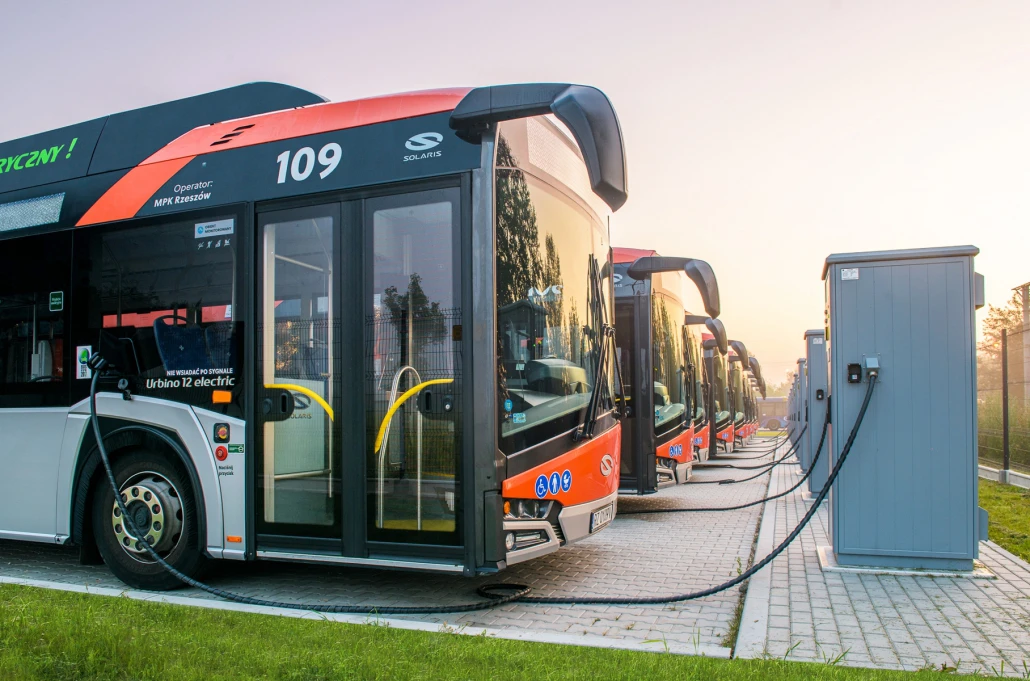
Charging infrastructure for e-buses and fleets combines all of this: power electronics, billing equipment and grid connection in a roadside enclosure, vandal-resistant to IK10. Calculate the thermal design in the cooling & heating capacity calculator and the basic configuration in the outdoor enclosure configurator.
Why ZPAS for energy & smart grid
ZPAS is a European manufacturer of enclosure and cabinet systems with over 50 years of experience and its own design department (80+ engineers). For energy and smart grid technology, this means: any special size, series or one-off, with prepared thermal management (ventilation, heat exchanger, cooling unit, heat pump), sealed cable and busbar entries and bayable designs for power distribution — ready for operation ex works. You can put together your specific design — dimensions, degree of protection, cooling and accessories — in a few minutes in the outdoor enclosure configurator.
Planning checklist: outdoor enclosures for energy & smart grid
For grid, PV and charging infrastructure projects, these points should be settled before the tender:
- Power loss: quantify the waste heat of inverters and charging equipment — size the ventilation or cooling unit so that the electronics do not throttle in summer (derating).
- Meter position: plan standard-compliant mounting levels and sealable areas for metering and instrument transformers.
- Separate access: do the grid operator, metering point operator and plant operator need their own doors or zones with their own locking?
- EMC & earthing: power electronics and telecontrol equipment in the same enclosure require clean separation and an earthing concept.
- Material: a 20-year service life without maintenance speaks for aluminium — especially at unattended sites.
- Security: IK10 and multi-point locking at freely accessible sites; warning signs according to the type of installation.
- Extension: plan for bayability if charging points or feed-in units are to be added.
ZPAS implements these requirements as a series or special construction — including prepared mounting plates, cable entries and project-specific documentation for the tender.
Frequently asked questions — outdoor enclosures for energy & smart grid
How is the heat load of inverters dissipated in the outdoor enclosure?
Graded by power loss: passive ventilation and filter fans for low loads, air/air heat exchangers for closed-loop cooling without dust ingress, cooling units for high heat loads and the patented AHP heat pump (cools and heats, COP up to 5). We calculate the right sizing from your power loss — you can also use the cooling & heating capacity calculator for this.
Are the enclosures double-walled to protect against solar radiation?
On request, yes. The double-walled SZD version passively insulates against solar radiation and temperature fluctuations, a raised roof keeps summer heat away from the electronics and a heater protects against condensation and frost. A single-walled design is also available for standard loads.
Can the cabinets be extended into a bayable power distribution system?
Yes. The SZD series is bayable: a grid connection or PV site starts with one cabinet and is extended as required with further sections for distribution, metering and control — joined mechanically and visually into a row of cabinets, without replanning the existing installation.
What material are the enclosures made of — and how corrosion-resistant are they?
The standard is aluminium: lightweight, dimensionally stable and naturally corrosion-resistant, with an anodised frame and powder-coated surfaces in any RAL colour. For coastal and offshore sites, the seawater-resistant marine version of the SZD is available; steel or stainless steel are possible on request.
Are there sealable meter positions and separate access points?
Yes. Meter and metering areas are designed with standard-compliant mounting levels and sealable covers; for grid operators, metering point operators and plant operators, separate doors or cabinet zones, each with its own locking, are possible — neatly separable in the bayable SZD system.
Outdoor enclosures for your energy or smart grid project?
Whether a single cabinet for a grid connection or a bayable series for a PV or storage park — tell us the application, heat load and mounting type, and we will get back to you with a specific recommendation.