
Enclosures for charging infrastructure
& e-mobility
DC charging parks, bus depots and fleet sites need more than charging points: grid connection, metering, load management and distribution stand outdoors — in enclosures that withstand sun, frost and vandalism for decades. For this, ZPAS manufactures double-walled SZD outdoor enclosures in any special size, direct from the factory.
Request a quote Configure an outdoor enclosureThe technology behind the charging point
Every charging park has a second, invisible half: the grid connection with metering and instrument transformers, the power distribution to the charging points, the load management including communications technology — and increasingly the connection of a battery storage system that buffers peak loads. All of this stands on open ground: full sun in summer, frost in winter, road salt, impacts, vandalism.
For this, ZPAS manufactures outdoor enclosures of the SZD series in double-walled aluminium — passively insulated against solar radiation, actively climate-controlled where necessary, bayable for growing parks and in any special size up to 3,000 mm in height. The grid side is described in detail on the Energy & smart grid page.
Typical projects in charging infrastructure
DC rapid charging parks
Grid connection, metering and distribution cabinets next to the HPC chargers — bayable, weatherproof and in any special size.
Bus depots & fleets
Charge controller, distribution and control technology for depot charging — including cable trays between the charging points.
Buffered charging parks
Enclosures for storage connection, DC/DC converters and fuse protection — matched to the BESS enclosures.
Car parks & neighbourhoods
Compact wall-mounted and floor-standing distribution boards for AC charging points — also in stainless steel for underground car parks with a road-salt atmosphere.
Backend & communications
Routers, gateways and billing technology in a climate-controlled 19″ fit-out — monitored via AKCP monitoring.
Motorways & service areas
Vandal-resistant versions (IK10) with operator locking systems for 24/7 operation in public spaces.
Requirements for charging park enclosures — clearly classified
Heat load from power electronics
Load management and distribution generate heat — ventilation, heat exchangers, a CVO cooling unit or AHP heat pump remove it, and a heater prevents condensation.
Double wall against the sun
Open ground without shade: the rear-ventilated double wall passively dampens heating-up before cooling equipment has to kick in.
Protection in public spaces
IP 54/55 according to EN 60529, IK10 according to EN 62262, 3-point locking — plus RAL colour to match the operator’s corporate design.
Scaling & rollout
Bayable cabinets and repeatable configurations: from pilot site to rollout with the same drawings — repeat orders in approx. 6 weeks.
Standards for charging park enclosures
The technology behind the charging point is governed by the rules for low-voltage switchgear and controlgear assemblies: distribution boards are built to IEC 61439, the enclosures are tested to IEC 62208 and CE-marked. Outdoors, the degrees of protection according to EN 60529 (IP 54/55) and impact resistance IK10 according to EN 62262 are added — 20 joules that make the difference between everyday car park life and a cabinet that has been prised open.
The operating range of the double-walled SZD aluminium enclosures extends from −40 to +70 °C: the rear ventilation between the walls takes the edge off the summer sun, a thermostat-controlled enclosure heater counters condensation and frost, and filter fans or a cooling unit deal with the waste heat from load management and power electronics.
Which enclosure for which task in the charging park?
| Solution | Degree of protection | Special feature | Typical application |
|---|---|---|---|
| SZD outdoor enclosure | IP 54/55, IK10 | double-walled aluminium, −40…+70 °C | Grid connection, metering, load management |
| Electrical enclosures SZE2/SZE3 | IP 54/55 | any special size, wired ex works | Distribution in plant rooms & substations |
| Stainless steel enclosures | IP 65 (SWN Inox) | AISI 304/316, corrosion-resistant | Car washes, exposed sites |
| Outdoor enclosure for battery storage | IP 54/55 | Ventilation, temperature management | Buffer storage at the charging park |
Custom housings to customer specification: DC chargers, AC charging posts & wallboxes
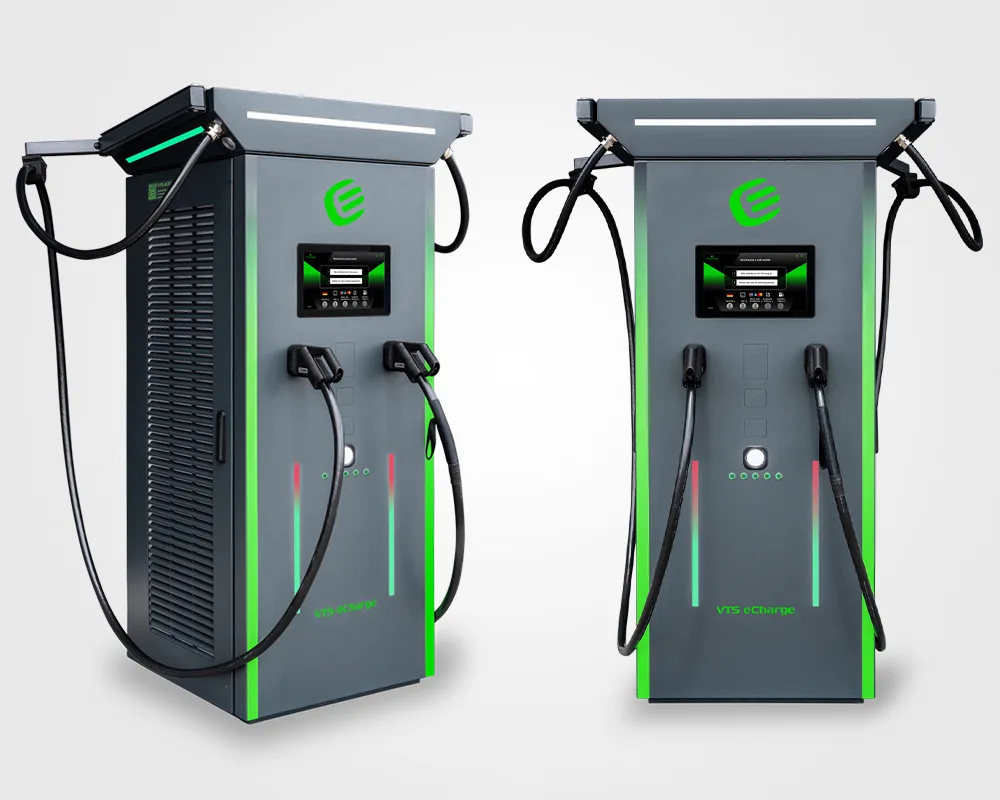
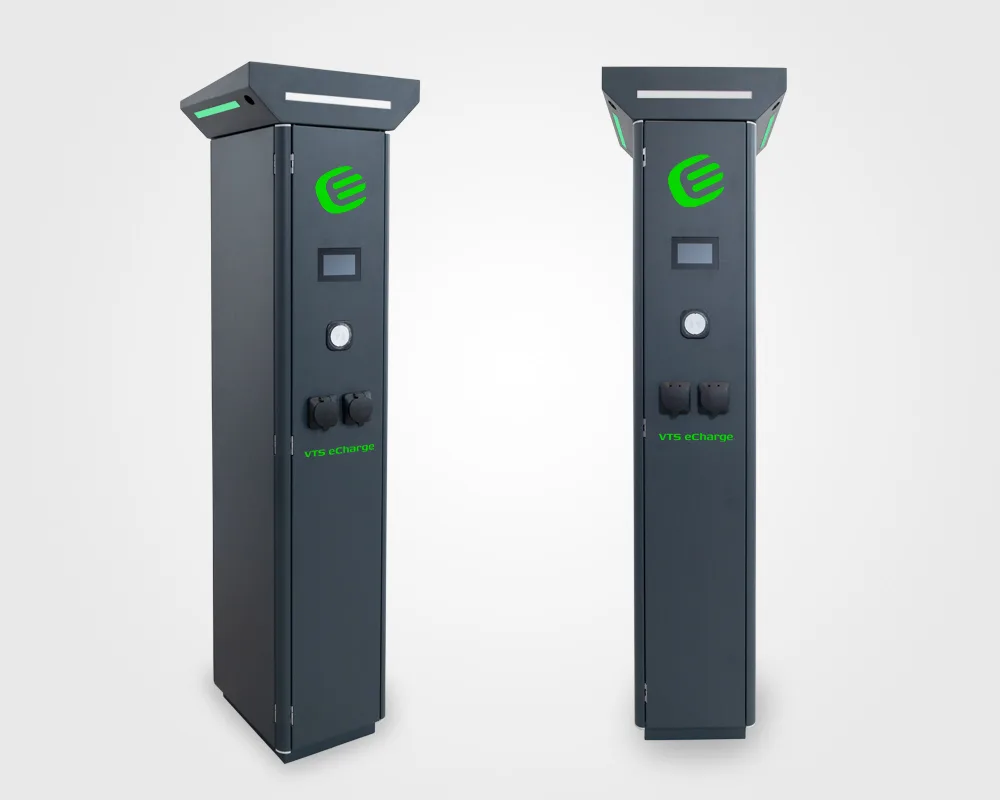
Besides the technology behind the charging point, ZPAS also manufactures the housing of the charging point itself — as a custom design to customer drawings for manufacturers of DC chargers, AC charging posts and wallboxes. Sheet metal processing, welding, powder coating and assembly come from a single source — in corporate colours and the design of your choice, from prototype to series production.
Typical features of such housings: prepared cut-outs for display, charging sockets and cable management, separate compartments for power and billing technology, ventilation or climate control for each power class — and an outer skin that matches the manufacturer’s brand. An enquiry with a drawing or sketch is enough; the quotation arrives within 2 working days at most.
Typical project: DC rapid chargers at a truck stop
Starting point: a truck stop is adding several DC rapid charging points. The chargers themselves come from the charger manufacturer — but grid connection, metering and load management need a home outdoors, right next to the access road: weatherproof, vandal-resistant, temperature-controlled all year round and with reserve for expansion.
The solution: double-walled SZD outdoor enclosures in a special size — one section for the LV main distribution board and metering, one section for load management, cable entry from below with reserve. IK10 version with three-point locking, a thermostat-controlled heater against condensation in winter, filter fans against the summer load. Delivery is wired ex works, the foundation is agreed in advance as a drawing — on site, all that remains is positioning, connecting and commissioning.
Depot & fleet: charging away from public charging points
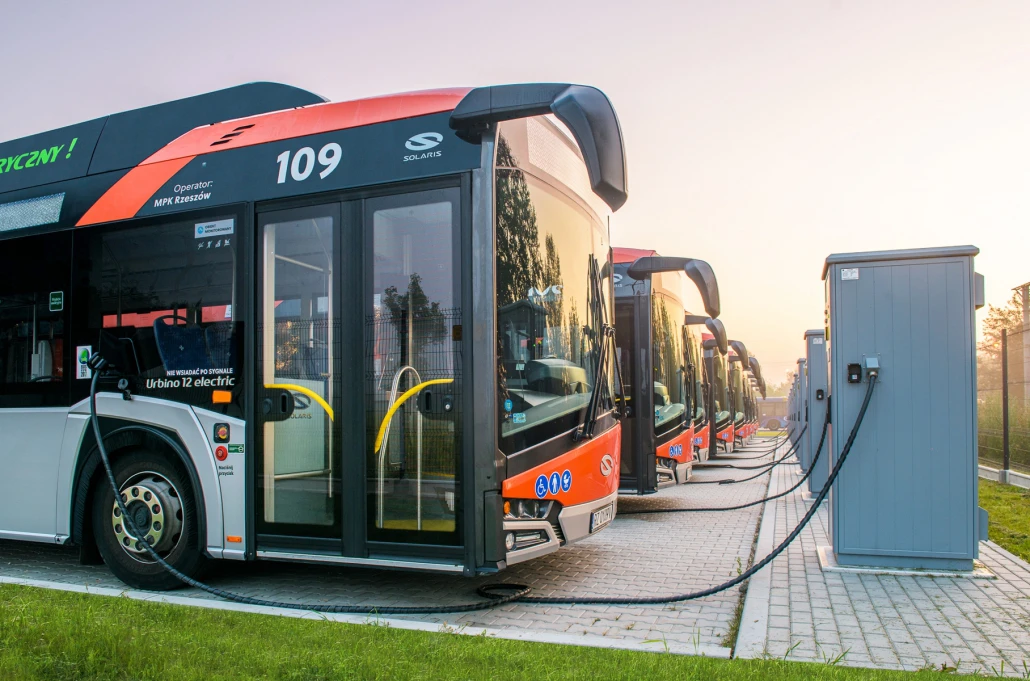
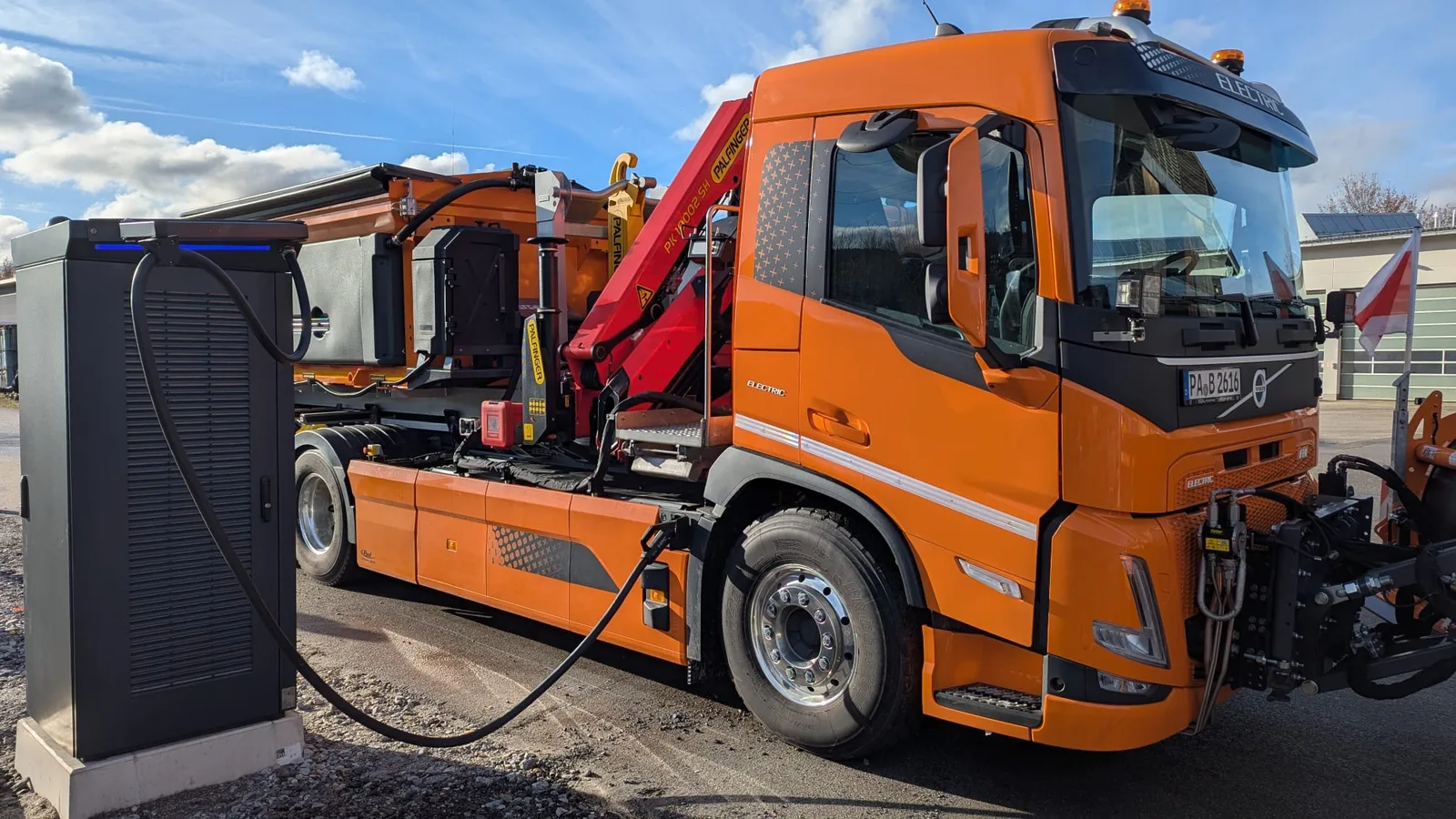
Bus depots, haulage yards and company car parks charge more predictably than public spaces — but in rows: many charging points, one shared grid connection, central load management. The distribution and control technology then moves into a few larger cabinet sections: bayable SZD cabinets on the yard or SZE rows in the plant room, both wired ex works.
As the fleet grows, the installation grows with it: reserve spaces in the cabinet, bayability and a cable route with room to spare cost little with the initial order — and avoid conversion work during expansion. A buffer storage system relieves the grid connection when the connected load becomes a bottleneck. For operational management, metering and communications technology go into a separate, separately lockable section — so access for the grid operator, billing and maintenance stays cleanly separated, without anyone having to get past the power section.
Planning checklist: enclosures for charging infrastructure
These points should be clarified before ordering:
- Installation: foundation or plinth mounting, collision protection, clearances to chargers and driveways — and cable entry with reserve.
- Heat load: quantify the power loss of load management and power electronics — it determines ventilation or cooling unit.
- Winter operation: plan a heater with thermostat against condensation and frost, especially for electronics and meters.
- Access protection: IK10, concealed hinges, profile half cylinders or electronic locking — depending on the site risk.
- Expansion: allow for bayability and spare space for additional charging points from the outset.
- Lead time: custom outdoor enclosures take 8–10 weeks (new drawing), repeat orders approx. 6 weeks.
Why ZPAS for charging infrastructure
Because rollouts need speed and repeatability: project-specific initial design with drawing approval, then identical cabinets for every further site — direct from our own production, with prepared cut-outs, mounting plates and climate control. The outdoor enclosure configurator delivers the first configuration in minutes; the cooling capacity calculator takes care of sizing the cooling.
Frequently asked questions — enclosures for charging infrastructure
Which enclosures does a DC charging park need?
Grid connection/metering, power distribution, load management/backend — plus storage connection for buffered parks. All as an SZD outdoor enclosure in a special size.
Why double-walled for charging infrastructure?
Full sun on open ground: the rear-ventilated double wall keeps radiant heat out passively — active cooling can be smaller or dispensed with altogether.
How is the waste heat managed?
In stages, from filter fan to AHP heat pump; the cooling capacity calculator provides the sizing according to IEC 60890.
Are the cabinets vandal-resistant?
IK10 (20 joules), 3-point locking, operator locking systems — optional AKCP access control with logging.
Which standards are charging park distribution boards built to?
To IEC 61439 (low-voltage switchgear and controlgear assemblies) with enclosures according to IEC 62208, CE-marked; degrees of protection according to EN 60529 (IP 54/55), impact resistance IK10 according to EN 62262.
What happens in the charging park cabinet at sub-zero temperatures?
A thermostat-controlled enclosure heater (HGE, 50–400 W) keeps the equipment above the dew point and prevents condensation and frost — sized and wired ex works.
How long does a custom charging park cabinet take?
8–10 weeks from approval for a new drawing, approx. 6 weeks for repeat orders. The quotation with drawing arrives within 2 working days at most.
Planning a charging park or depot?
A site list and specification are enough — we will reply with a concept and quotation within 2 working days at most.