
Outdoor enclosures for
rail & transport
Equipment along tracks and roads works outdoors all year round — in frost, heat and vibration, and within reach of unauthorised persons. For this, ZPAS manufactures weatherproof aluminium outdoor enclosures of the SZD series: IP54/55, impact-resistant to IK10, with project-specific evidence for fire behaviour (EN 45545) and EMC (EN 50121) — direct from the factory.
Configure an outdoor enclosure → Request a quoteEnclosure technology for rail and road
Points, signals, level crossings, transformer stations and traffic lights need control and power equipment right on site — usually unprotected outdoors. The enclosure is not a side issue here: it has to keep out water and dust (IP 54/55), withstand vandalism and stone impact (IK10), absorb vibration from the track bed and keep the built-in electronics within their permissible temperature range for years — while the outside ranges from −40 °C on a winter night to +70 °C in blazing sun.
For this, ZPAS supplies the SZD aluminium series — lightweight, corrosion-resistant and dimensionally stable, double-walled for passive thermal insulation and with integrable heating, ventilation or climate control. Because every line is different, the cabinets are built per project: from the series for a roll-out to a one-off special construction with prepared cut-outs, mounting plates and cable entries — straight from our own production.
Typical applications in rail & transport
Point control & point heating
Enclosures for point machines, point heating controls and lineside switching equipment — frost-proof and built for continuous operation.
Signalling & train control
Outdoor enclosures for signalling, interlocking and axle counting equipment with an EMC-compliant design.
Level crossing protection
Robust, vandal-resistant cabinets for barrier, flashing light and monitoring equipment at level crossings.
Transformer & power distribution
Compact substations and distribution enclosures for the power supply along the line.
Traffic light & signal control
Control cabinets for road traffic and traffic light systems — in continuous operation.
Lineside telecommunications
Outdoor enclosures for telecommunications, data transmission and sensors along track and route.
Railway requirements — clearly set out
Rail and transport projects come with specific evidence requirements. We state openly what is available as a certificate, what is standard and what is tested per order:
Welding — EN 15085 (certified)
ZPAS is a certified welding company for rail vehicles and components according to EN 15085 — the certificate is available: EN 15085 certificate (PDF).
Fire behaviour — EN 45545-2
Fire behaviour requirements can be met with materials that comply with the standard; evidence per order.
EMC — EN 50121-4
Immunity and emission for signalling and telecommunications equipment can be supported by design (including a conductive, chromated surface).
Vibration & shock
Designed for vibration from the track bed; test evidence on a project basis.
Protection & vandalism
IP 54 (IP 55 on request) according to EN 60529, impact resistance IK10 (20 joules) according to EN 62262.
Key technical data
Requirements on track and road — what counts in practice
The track environment is one of the harshest there is for electronics. Besides weather and temperature, three factors come into play that do not exist in industrial halls: brake dust made of iron particles, which is electrically conductive and causes leakage currents in open enclosures; electromagnetic fields from overhead lines, traction currents and radio systems, against which signalling and axle counting equipment must be protected according to EN 50121-4; and continuous vibration from the track bed, which stresses bolted joints, hinges and built-in components for years.
Then there is operation itself: point heating controls must work reliably in winter, when snow and road salt attack the enclosure — aluminium does not corrode here, whereas galvanised steel shows rust spots after a few years. Level crossing and signalling equipment often stands freely accessible next to paths and platforms: IK10 impact resistance (20 joules), concealed hinges and multi-point locking are not optional extras there, but a prerequisite for acceptance.
For planning, this means: anyone equipping a line or a roll-out needs, in addition to the enclosure itself, clean project-specific documentation — material evidence for fire behaviour according to EN 45545-2, an EMC concept according to EN 50121, dimensional drawings for the tender. ZPAS supplies these documents from its own design department; for series, the design remains identical throughout the entire roll-out, including prepared cut-outs and cable entries for the lineside equipment.
One point is often underestimated: the temperature spread at the site. A dark cabinet facing south on a railway embankment reaches internal temperatures in summer far above the rating of the interlocking equipment, while the same equipment needs frost protection in winter. The double-walled SZD version dampens both passively; heating, ventilation or a cooling unit add active support where the power loss or the site demands it. Sizing is done with the cooling & heating capacity calculator — or by our technical team based on your specification.
For indoor rooms — signal box, technical centre, control centre — the universal network cabinet SZB IT and the compact, office-friendly SJB with full glass door provide the right 19″ base.
The same rules apply away from the railway: control cabinets for traffic lights and traffic computers stand in the middle of the road — with de-icing salt spray in winter, exhaust fumes and the constant risk of collision damage and vandalism. The corrosion-free aluminium construction copes with this better in the long term than painted steel; ZPAS implements traffic-specific designs with split doors, a service compartment for maintenance and viewing windows as a special construction based on the SZD series.
Why ZPAS for rail & transport
ZPAS is a European manufacturer of enclosure and cabinet systems with over 50 years of experience and its own design department (80+ engineers). For rail and transport technology, this means: any special size, series or one-off, with prepared equipment (climate control, mounting frame, cable entry) — ready for operation ex works. You can put together your specific design — dimensions, degree of protection, climate control and accessories — in a few minutes in the outdoor enclosure configurator.
Planning checklist: outdoor enclosures for rail & transport
These points should be clarified before the tender — they determine the design, the evidence and the price:
- Mounting & foundation: plinth, foundation or pole mounting? Plan cable entry from below with sufficient reserve for future lineside equipment.
- Fire behaviour: Does EN 45545-2 apply to your installation situation? State the required classification early — it determines the choice of materials and the order-specific evidence.
- EMC: Close to overhead lines, traction currents or radio equipment? Then plan an EMC concept according to EN 50121-4 (conductive surface, earthing, shield connection).
- Vibration: Distance to the track and required test evidence — clarify on a project basis before the design is fixed.
- Climate: The power loss of the equipment plus sun exposure determine heating, ventilation or cooling unit; point heating controls need reliable winter operation.
- Security: Freely accessible sites require IK10, multi-point locking and, if necessary, monitored door contacts.
- Documentation: Dimensional drawings, material evidence and CE documents for tender and acceptance — for series in identical design throughout the entire roll-out.
With this information, ZPAS prepares the design and the quotation; for roll-outs, the design remains identical across all sites — from prototype to series from the same production, with a dedicated technical contact person in Leipzig for the entire duration of the project.
Frequently asked questions — outdoor enclosures for rail & transport
Do the outdoor enclosures meet railway fire protection requirements (EN 45545)?
The fire behaviour requirements of EN 45545-2 can be met with materials that comply with the standard. As the specific classification depends on the installation situation and the project specifications, evidence is provided per order — tell us your requirement and we will match the choice of materials and design to it.
Are the cabinets EMC-compliant for signalling and telecommunications equipment?
Yes, by design. For EMC requirements according to EN 50121-4 we offer, among other things, a conductive, chromated aluminium surface and suitable shielding and earthing concepts. Emission and immunity evidence is provided on a project basis.
Can the enclosures withstand vibration from the track?
The aluminium construction is designed for continuous exposure to vibration (frame, bolted joints, mounting level). Where formal vibration/shock test evidence is required, we provide it on a project basis.
Which climate control suits signalling and lineside equipment?
Depending on heat load and location: passive ventilation, filter fans, air/air or air/water heat exchangers, a cooling unit or the patented AHP heat pump; a PTC heater for frost protection. The double-walled SZD version already buffers solar radiation and temperature fluctuations passively. The cooling & heating capacity calculator works out the right sizing.
Does ZPAS also supply single cabinets or small quantities?
Yes. From a single cabinet for a level crossing to a series for a line roll-out — our own production allows both, with no minimum batch size in project business. For series, the design remains identical across all sites, including the evidence and drawings for the tender.
Reference installations & applications
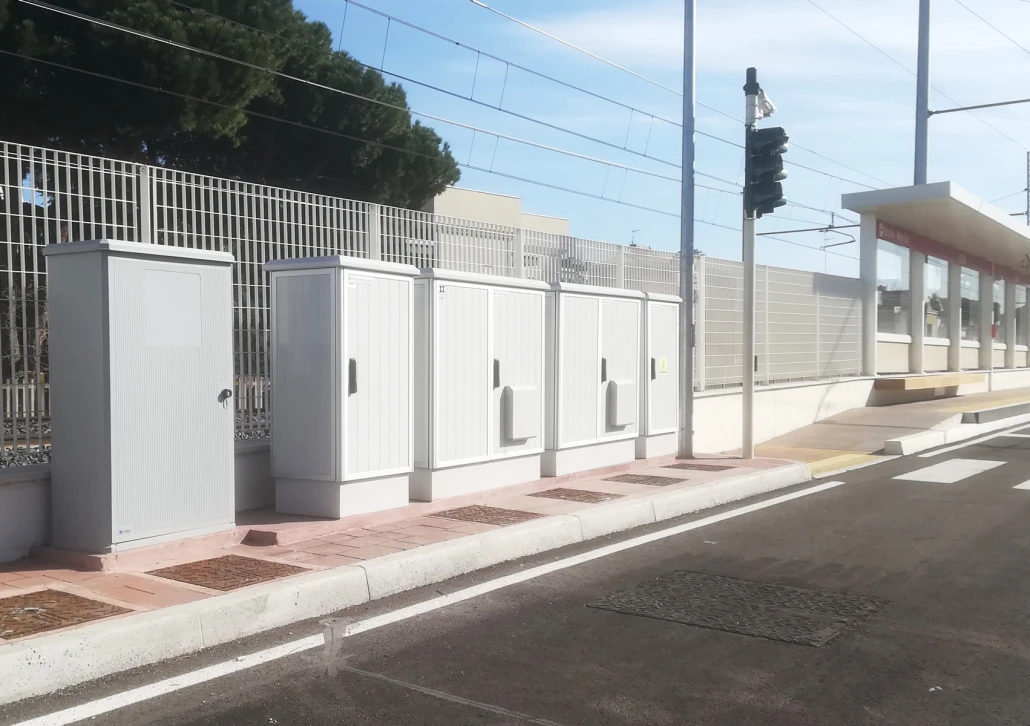
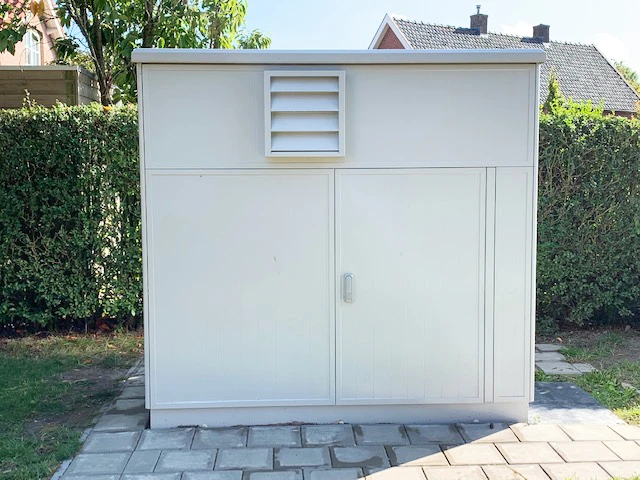
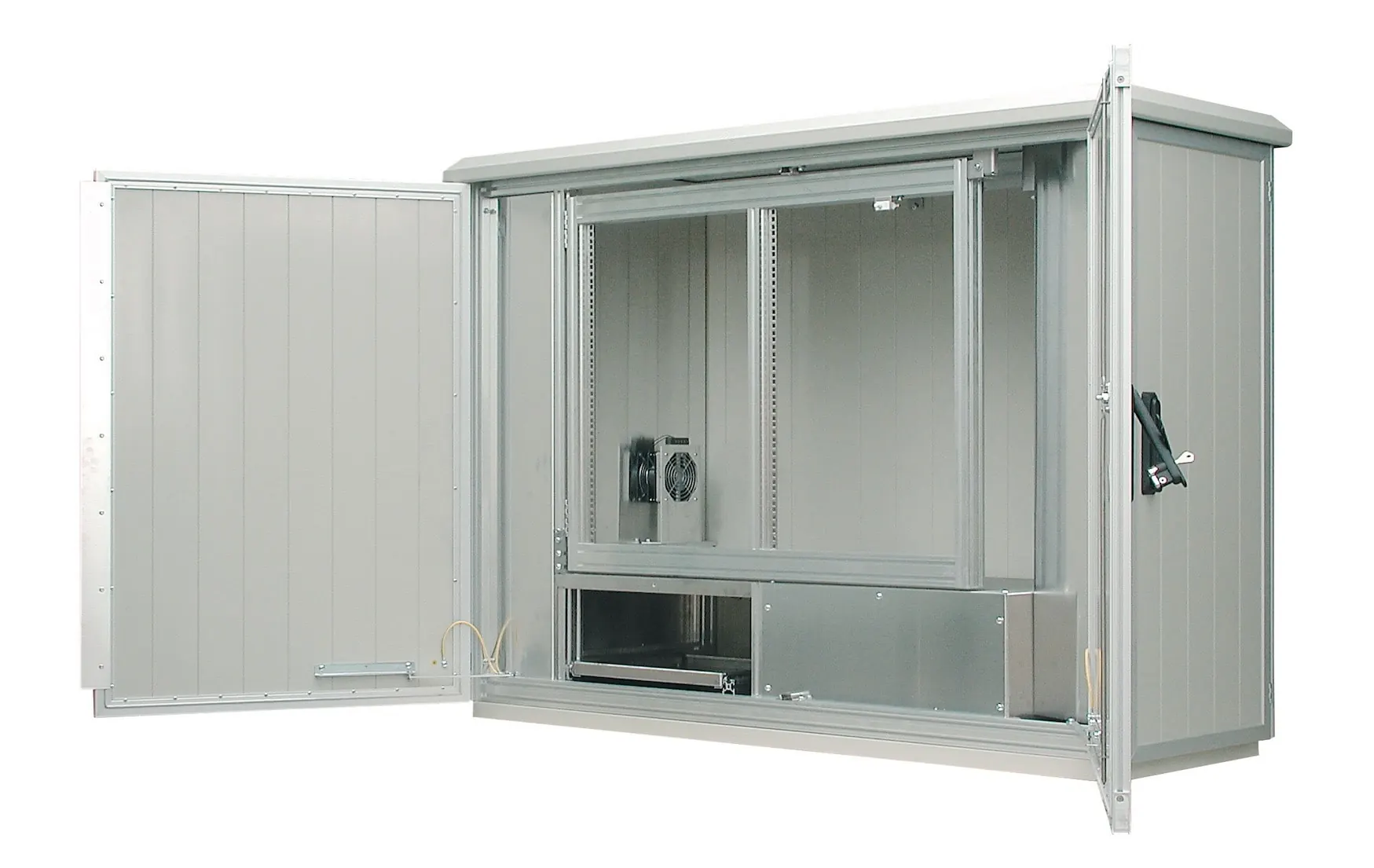
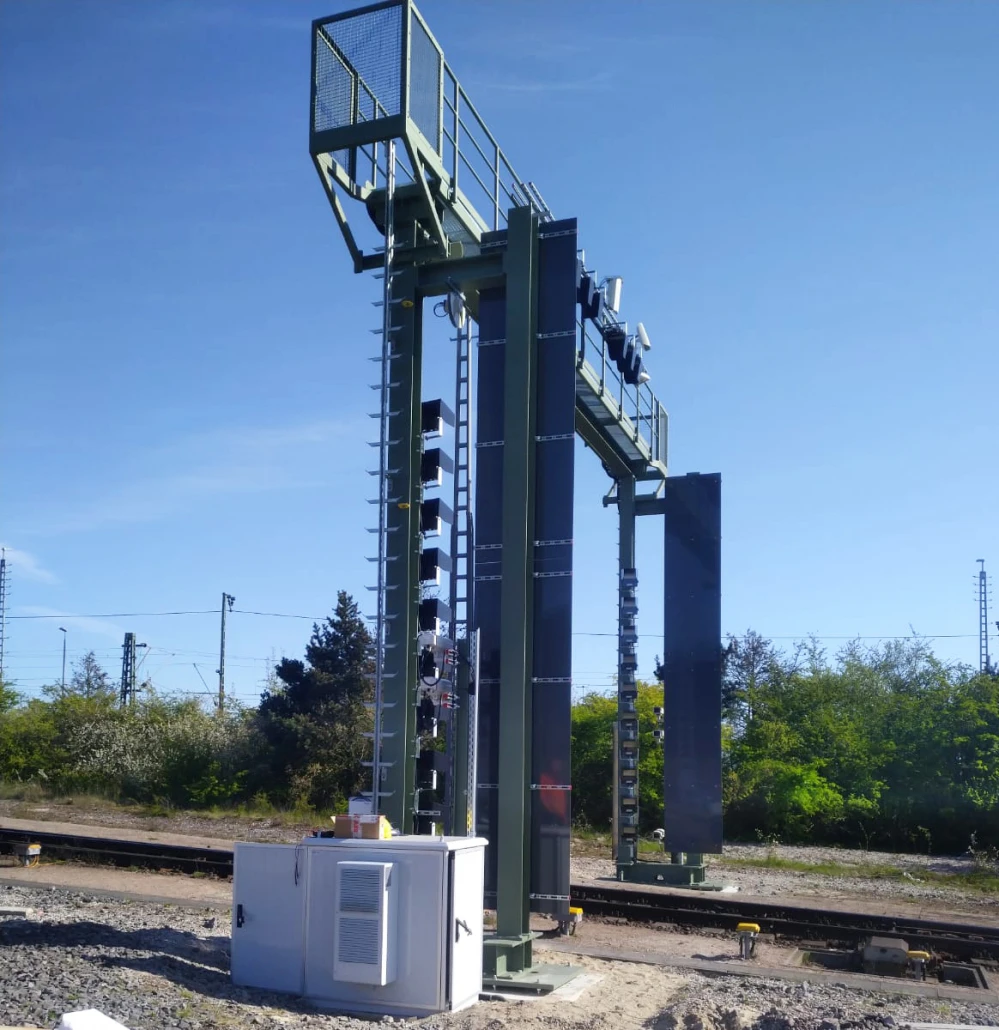
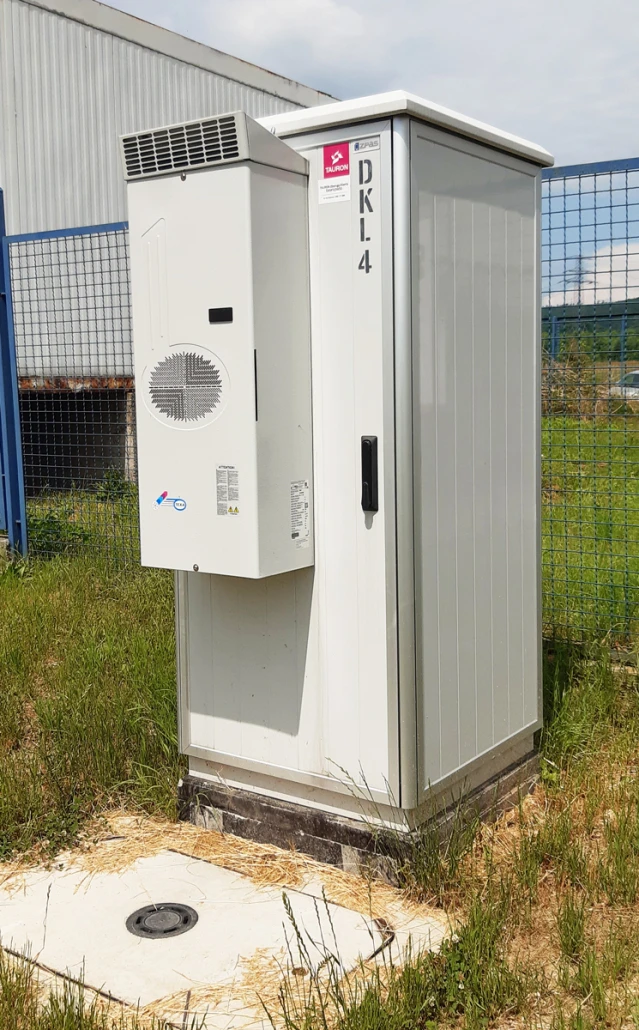
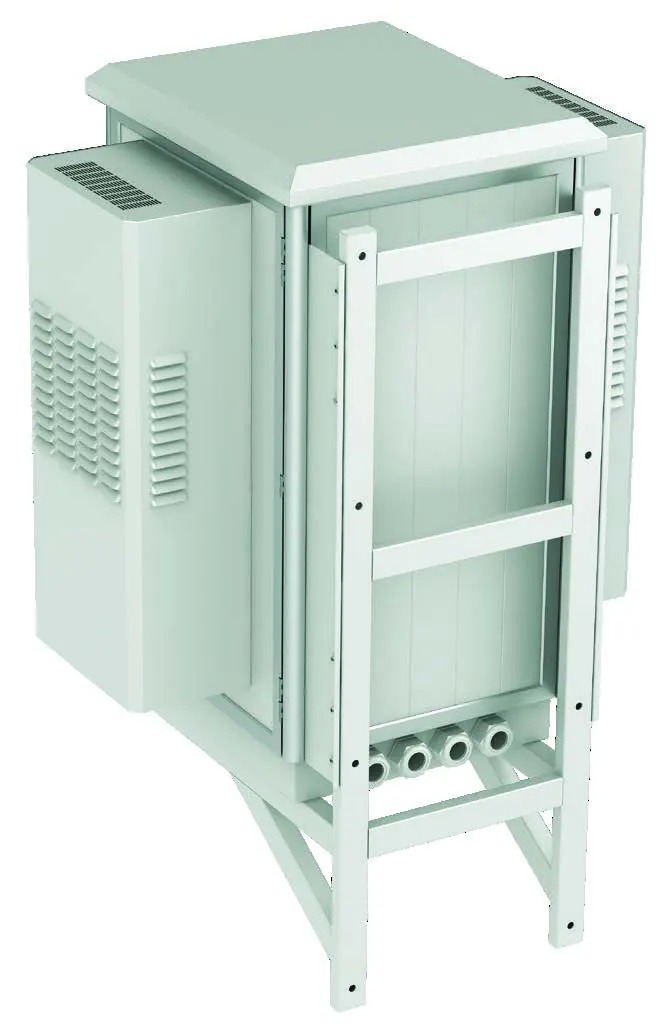
ZPAS outdoor enclosures and outdoor cabinets in use — including along railways and roads. Click on an image to enlarge it
Outdoor enclosures for your rail or transport project?
Whether a single cabinet for a level crossing or a series for a line roll-out — tell us your requirements and we will get back to you with a specific recommendation.